7 Best Ball Bearing CNC Machines for Global Buyers?
Choosing the right Ball Bearing Cnc Machine requires more than comparing prices and photographs. Global buyers need dependable motion, stable cutting, and service support that remains useful after delivery. A machine may look impressive online, yet its spindle, guideways, control system, and assembly quality determine daily performance. Small details matter. Even bearing preload can influence vibration, surface finish, and tool life.
This guide reviews seven CNC machines suited to different production environments. The comparison considers rigidity, positioning accuracy, spindle speed, work envelope, software compatibility, maintenance access, and supplier reputation. It also examines practical ownership concerns, including voltage options, packaging, training, spare parts, and response times. These factors often become more important than a low purchase price. A workshop cutting aluminum has different needs from one machining hardened steel or producing decorative components.
No single machine suits every buyer. That is worth remembering. Specifications can also vary between regional versions, optional packages, and factory updates. Therefore, buyers should verify technical sheets, inspection records, warranty terms, and sample-cut results before committing. Where possible, request videos of the actual machine under load, not only polished promotional footage. This review uses commonly reported engineering considerations and buyer-focused checks, but it is not flawless. Supplier performance can change, and published accuracy may depend on installation conditions. Careful confirmation remains essential. The goal is simple: help professionals narrow the field, ask better questions, and choose a reliable CNC platform for long-term work.
What Ball Bearing CNC Machines Are and How They Work
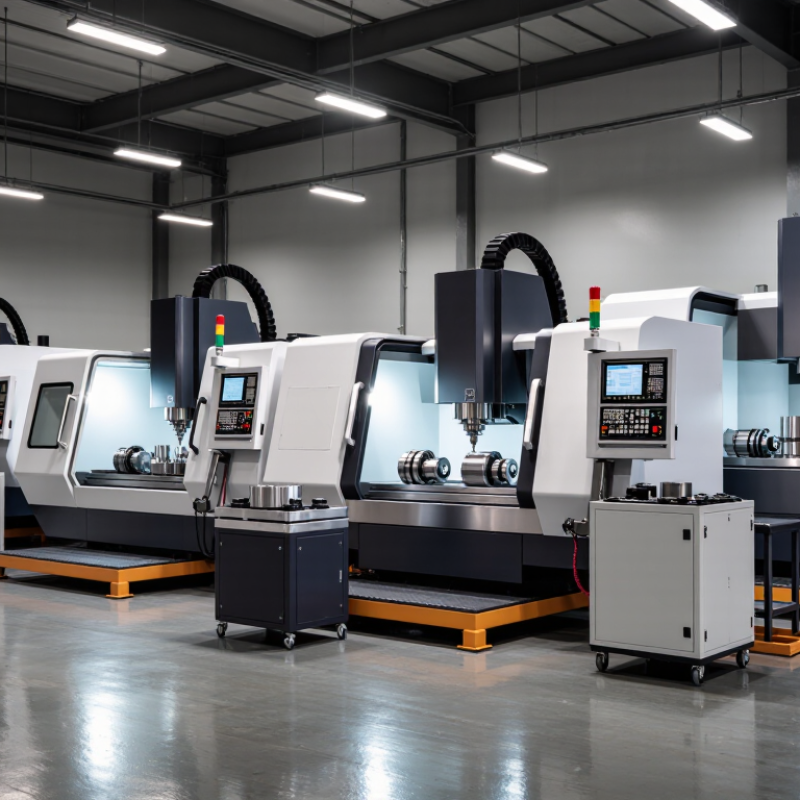
Ball-bearing CNC machines use rolling elements to support rotating and moving parts during computer-controlled cutting. In practice, the term often covers CNC machines with precision spindle bearings and ball screws. These components reduce friction, improve motion control, and help maintain repeatable positioning. A motor turns the ball screw, while recirculating balls transfer motion to the table or cutting head. The spindle bearings keep the tool rotating smoothly at high speed.
The controller converts digital tool paths into coordinated axis movements. Each axis moves along measured distances, while encoders or limit sensors help confirm position. Cutting results depend on more than bearing quality. Frame rigidity, preload, lubrication, thermal stability, and tool selection also matter. During shop testing, a machine may cut accurately for several hours, then show small errors after warming up. That detail is easy to miss. No machine stays perfect.
Tips: Check bearing preload, backlash, and spindle temperature before comparing models. Listen for rough sounds. They often signal wear or poor lubrication. Ask for repeatability data under real cutting loads, not only idle movement. Global buyers should also verify voltage, service support, spare-part access, and operator training. A compact machine may look efficient, but limited workholding space can become frustrating. In my view, buyers sometimes focus too heavily on advertised speed. Stability usually matters more for clean edges and consistent production.
Key Features to Compare Before Buying a CNC Machine
When comparing ball bearing CNC machines, start with rigidity, not advertised speed. A rigid frame reduces vibration during deep cuts and protects surface quality. Check the gantry, table, and mounting points for visible flex. Even small movement can create rough edges on aluminum or hardwood. The bearing system matters too. Sealed linear bearings resist dust, while exposed rails need frequent cleaning. In a busy workshop, maintenance is rarely perfect.
Spindle power should match the materials you plan to cut. Higher power is not always better. An oversized spindle may add weight, noise, and unnecessary electrical demand. Review speed control, collet options, and runout figures. Lower runout supports cleaner engraving and more consistent holes. Ask how accuracy was tested. A claim without test conditions tells you little.
Work area dimensions also deserve careful attention. Leave space for clamps, fixtures, and safe tool movement.
The controller should offer simple file transfer, repeatable zero setting, and recovery after a power interruption. Test the interface before purchase if possible. A beautiful screen can still feel awkward after several hours. Consider dust collection, emergency stops, guarding, and electrical compliance for your location. Service access is another practical detail. Can you replace a bearing without dismantling half the machine? I once underestimated this issue. It turned a minor repair into lost production time. Compare training, spare-part availability, warranty limits, and shipping protection, not only the purchase price.
Seven Top Ball Bearing CNC Machines for Global Buyers
Seven Top Ball Bearing CNC Machines for Global Buyers
Global buyers often compare seven machine types for reliable ball bearing production. A CNC turning center shapes rings with controlled diameters and accurate shoulders. A raceway grinding machine creates smooth internal and external tracks. A centerless grinder improves cylindrical accuracy during high-volume processing. A ball grinding machine forms steel balls to consistent sizes. A ball lapping machine removes tiny surface errors. A superfinishing machine reduces roughness on contact surfaces. An automated gauging cell checks diameter, roundness, and visible defects. Details matter.
In practical evaluations, thermal stability can matter more than advertised spindle speed. Ask suppliers for sample parts, roundness charts, surface roughness readings, and cycle-time records. Check axis repeatability after an eight-hour warm-up. A machine may perform well on one bearing size but struggle with another. That weakness is easy to miss. Inspect coolant filtration, chip control, tooling access, and maintenance space. Global installations also require suitable electrical standards, clear manuals, operator training, and dependable spare-part support.
No shortlist is flawless. The best choice changes with production volume, bearing geometry, tolerance targets, and labor skills. A compact lapping machine may suit a specialist workshop, while an integrated line may serve mass production. Do not trust polished demonstrations alone. Request a longer trial with real material. Confirm noise levels, compressed-air use, software access, and remote diagnostic limits. A lower purchase price can hide expensive installation delays. This is where buyers should pause and reconsider.
Supplier Verification, Certifications, and International Shipping
When comparing seven ball bearing CNC machines, global buyers should verify the supplier before comparing spindle speed or price. Request the company’s legal name, factory address, production history, and recent customer references. A live video call can reveal more than polished catalog photographs. Ask the operator to machine a sample and show bearing noise, spindle runout, repeatability, and surface finish. Small details matter.
Check each certification directly with the issuing body, not only in a PDF attachment. Confirm the certificate’s scope, expiration date, factory address, and covered machine category. ISO 9001 supports process control, while electrical and safety approvals must match the destination market. Requirements differ. Request inspection records, warranty terms, spare-parts availability, and a written service response time. A certificate can be genuine yet irrelevant to your exact model.
For international shipping, agree on the Incoterm, HS code, crate design, moisture protection, insurance, and unloading method. Ask for photos of the packed machine, serial numbers, weight, dimensions, and a draft commercial invoice. Wooden packaging may need treatment marks and documents, depending on the destination. Leave no assumptions. A common sourcing mistake is focusing on machine cost while underestimating port storage, customs delays, or voltage conversion. That risk is understandable, but a written landed-cost estimate exposes weak planning before payment.
7 Best Ball Bearing CNC Machine Configurations for Global Buyers
This comparison uses representative industry capabilities rather than company or brand data. Axis count, spindle speed, and machine power should be verified against the supplier’s technical datasheet, ISO 9001 documentation, applicable CE requirements, and export-shipping documents before purchase.
For international sourcing, higher-axis machines can reduce repositioning for complex bearing components, while spindle speed and power influence productivity and material capability. Confirm supplier identity, factory audit evidence, calibration records, certificates, packaging specifications, Incoterms, and shipping insurance before placing an order.
How to Choose the Best Machine for Your Production Needs
Choosing the best ball bearing CNC machine starts with your production reality, not a sales ranking. A compact three-axis model may suit aluminum brackets, while steel parts require higher rigidity, torque, and coolant control. Define your materials, part dimensions, monthly volume, and required tolerance before comparing specifications.
I have found spindle runout especially important during practical testing. Even a small error can create visible marks on bearing seats or circular pockets. Ask for measured runout data, repeatability results, and sample cuts using your material. Check the bearing arrangement, guide systems, table stiffness, and chip evacuation. Smooth motion matters. A fast machine is not always a productive machine.
Global buyers should examine power requirements, documentation, operator training, and local service access. Confirm voltage compatibility, spare-part availability, warranty terms, and remote troubleshooting procedures. A machine with excellent accuracy can become expensive if one sensor takes months to replace. Calculate the full ownership cost, including tooling, maintenance, freight, installation, and downtime. I once focused too heavily on purchase price and underestimated setup work. That decision looked efficient, but it delayed production. Leave room for mistakes. Also verify guarding, emergency stops, electrical certification, and compliance with the rules in your operating country. A careful supplier should provide clear records, not vague promises.