How to Choose the Right Ebike Cable Supplier?
Choosing the right Ebike Cable supplier affects safety, riding range, and long-term maintenance. A cable may look simple, yet its copper core, insulation, connectors, and shielding must work together. Moisture, vibration, heat, and repeated bending can expose weak construction quickly. The cheapest quote can become an expensive warranty problem. Small details matter. This guide explains how to compare suppliers through practical, evidence-based questions.
An experienced supplier should provide clear specifications for conductor size, insulation materials, voltage ratings, connector types, and temperature resistance. Ask for samples before placing a large order. Inspect the cable jacket, connector fit, labeling, and bend performance by hand. Request quality records, production photos, inspection procedures, and relevant compliance documents for your target market. Reliable manufacturers should explain their testing process without hiding behind vague claims. They should also discuss minimum order quantities, lead times, packaging, replacement policies, and technical support. Fast replies are helpful. Consistent replies are better.
Supplier selection is not only about product appearance. Review factory experience with electric bicycles, customization capability, and traceability between batches. A professional supplier can identify risks in routing, waterproofing, and connector compatibility. However, even experienced buyers miss small differences between samples and mass production. I have learned that written specifications need regular confirmation. Assumptions create trouble. Consider requesting a pilot batch and checking cables after vibration, moisture, and repeated connection tests. No supplier is perfect, and no inspection removes every risk. Still, careful comparison builds a stronger purchasing decision, protects riders, and supports dependable Ebike Cable performance over time.
Define Your Ebike Cable Requirements and Performance Needs
How to Choose the Right Ebike Cable Supplier?
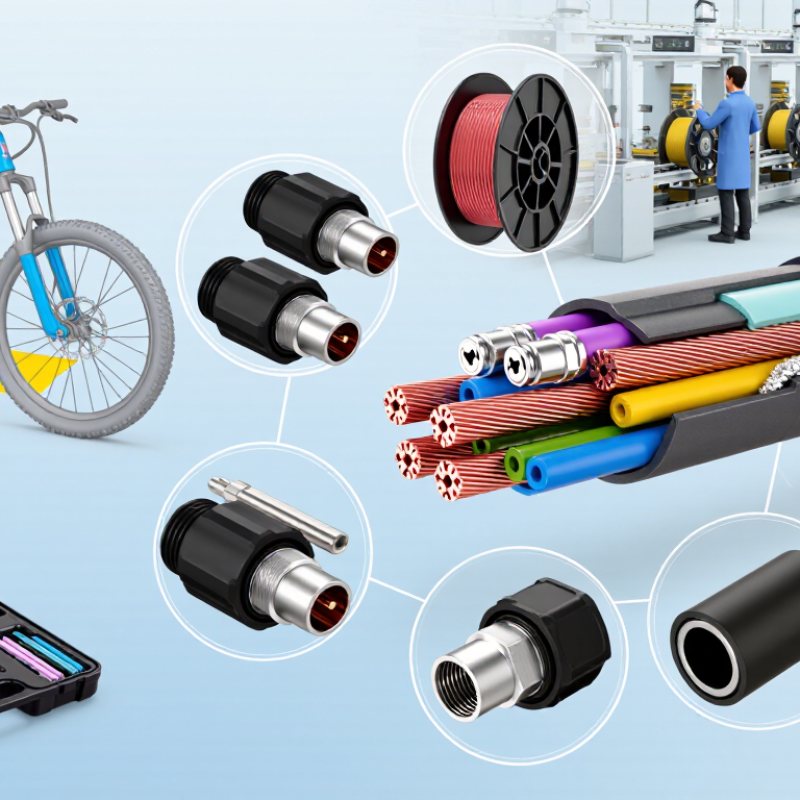
Define your ebike cable requirements before comparing suppliers. Record the system voltage, maximum current, cable length, and connector type. Include brake, motor, display, sensor, and battery connections. Each circuit may need a different conductor size. A cable that looks suitable can still overheat under heavy load. Measure the available routing space, too. Tight frames require flexible cables and controlled bend radii.
Weather exposure matters. Specify operating temperatures, water resistance, abrasion protection, and resistance to vibration. For outdoor use, request clear testing details rather than broad claims. Ask whether the cable has passed bending, pulling, insulation, and continuity tests. Check conductor material, shielding needs, jacket thickness, and connector sealing. Small details matter here. A poorly sealed connector may cause intermittent signals after repeated rain.
I have seen projects fail because the cable length was guessed instead of measured. Leave enough slack for servicing, but avoid loose loops near moving parts. Request samples built to your actual dimensions and test them on a working bicycle. Compare voltage drop, flexibility, plug retention, and routing behavior. Supplier documents should include drawings, tolerances, test records, and batch traceability. Some requirements may change after testing, and that is normal. A rigid specification can hide practical problems. A reliable supplier should discuss those problems openly and adjust the design with evidence.
Compare Customization Options, Compatibility, and Technical Support
How to Choose the Right Ebike Cable Supplier?
Customization should begin with the riding environment, not a standard catalogue. Specify cable length, conductor gauge, connector type, jacket material, bending radius, and sealing level. A cable passing bench tests may still fail near a wet rear wheel. Ask for samples, dimensional drawings, pinout checks, and test records before approving production. The 2024 CONEBI market report recorded about 5.1 million e-bikes sold in Europe in 2023. That volume increases pressure for reliable, repeatable cable assemblies.
Compatibility requires more than matching plugs. Confirm voltage, current, signal protocol, temperature range, polarity, and connector locking force. Suppliers should support electrical continuity tests, insulation testing, ingress testing, and vibration validation. Compliance with relevant standards, such as EN 15194 or UL 2849, also deserves documented evidence. Technical support matters when a cable routes through a tight frame channel. Can the supplier review bend stress, suggest strain relief, and revise drawings quickly? A strong supplier provides traceability, controlled engineering changes, and clear failure analysis.
Do not trust impressive samples alone. Some suppliers communicate well before the order, then respond slowly after delivery. That gap is costly. Request a pilot batch and measure real assembly time, connector fit, pull resistance, and field performance. The Global Market Insights 2024 report projects continued electric bicycle market growth through the decade, but growth does not excuse weak validation. One overlooked detail can become hundreds of service returns.
How to Choose the Right Ebike Cable Supplier?
Weighted evaluation framework comparing customization, compatibility, and technical support.
Compatibility receives the highest weighting because incorrect connectors, pin assignments, voltage ratings, or signal specifications can prevent reliable system integration. Customization and technical support are also essential for achieving the required cable length, jacket construction, documentation, testing, and production support.
Verify Supplier Reliability Through Samples, Testing, and Customer Reviews
A reliable ebike cable supplier should prove performance before discussing large orders. Request samples from the same production line used for regular manufacturing. Inspect the cable jacket, connector fit, terminal crimping, and strain relief by hand. Check whether the cable bends smoothly without exposing the inner wires. Small details matter.
Ask for test records that match your application. Useful evidence may include pull-force tests, insulation resistance results, waterproof checks, and repeated bending data. If the cable faces rain, mud, or road salt, request environmental testing details. Do not accept vague claims such as “high quality.” A professional supplier should explain test methods, equipment, sample sizes, and acceptance limits. Independent laboratory reports can add confidence, but internal records still reveal daily quality control.
Customer reviews deserve careful reading. Look for comments about delivery consistency, defect rates, communication, and support after installation. Specific feedback is more valuable than five-star ratings alone. Contact a few verified customers if possible, and ask how the cables performed after several months. I once trusted a clean sample too quickly; the bulk shipment had tighter connectors. That mistake changed my inspection process. One sample is not proof. Compare samples from different batches, record measurements, and ask how the supplier handles failed inspections. Honest answers often reveal more than polished sales materials.