How Can We Help You?

How to Choose a Process Control Engineering Company?

Choosing a process control engineering company is a decision about more than software or equipment. It can shape how reliably a plant measures conditions, responds to alarms, and recovers from faults. The right partner should understand the process itself, not merely the control platform. Look for relevant work in comparable facilities, with clear descriptions of scope, constraints, and outcomes. Ask who will design, program, test, and support the system. Real examples matter. A polished portfolio may show attractive screens while saying little about commissioning or operator training. Request references and discuss what changed after startup. That detail can reveal whether the company listens when site conditions differ from the original plan.

Review engineering methods alongside credentials. Does the team document requirements, control narratives, alarm philosophy, testing records, and change decisions? Can it explain how it addresses backups, access roles, and safe recovery in practical terms? Strong process control engineering support includes commissioning and lifecycle service, not just delivery day. Compare proposals for assumptions, exclusions, schedule realism, and ownership of technical decisions. Ask how issues are escalated when production pressure rises. Clear handover matters. A neat proposal is not proof; it can still leave responsibilities unclear. No checklist removes all uncertainty. Use conversations to test transparency, technical depth, and fit with your operating team. Good selection is not about the biggest promise. It is about evidence, communication, and support that remain useful after installation.

How to Choose a Process Control Engineering Company?

Define the Process Control Requirements and Project Scope

Before comparing process control engineering companies, define what the system must do and where the project begins and ends. Record current and target throughput, product variation, operating hours, and critical process limits. Include actual details: a pump’s flow range, a reactor’s temperature band, or how quickly an operator needs an alarm. “Improve efficiency” is not a measurable requirement.

Map interfaces and exclusions. Identify existing controllers, instruments, networks, data historians, and operator stations. State whether the work includes design, panel changes, installation, commissioning, training, or ongoing support. PMI’s 2021 Pulse of the Profession reported that organizations wasted 9.4% of project investment because of poor project performance. That figure does not isolate scope problems, but it shows why assumptions deserve scrutiny. Small details matter.

Set acceptance criteria before requesting proposals. Define measurable tests for control response, alarm behavior, data logging, and recovery after a fault. Specify who approves each test and what evidence is required, such as timestamped trend records or signed commissioning sheets. No scope document catches every exception. Review unusual operating conditions with operators and maintenance staff; their practical concerns can expose gaps in a polished process diagram. Note unresolved questions openly, rather than disguising them as settled requirements.

Identify the Engineering, Integration, and Compliance Needs

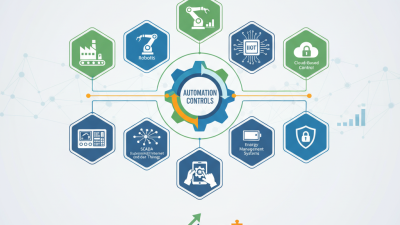
Choosing a process control engineering company starts with the plant’s actual needs, not a polished proposal. Map the work: new equipment, aging controls, production changes, or recurring downtime. Ask who will develop the control narrative, configure the PLC or DCS, and support commissioning. These tasks may sit with different people. Clarify that early.

Look for engineers who can explain their decisions in plain language and show relevant project experience. During a site walkdown, they should notice practical details: crowded panels, unlabeled cables, or instruments that are hard to reach. Small details matter. Ask how the team will test alarms, interlocks, and operator screens before startup. Request sample deliverables, such as functional specifications, test records, and updated drawings.

Compliance needs depend on the facility, process, and location. Ask how the company identifies applicable safety, quality, cybersecurity, and documentation requirements, and who verifies them. A confident answer should include a review process, not just a promise. Check how changes are tracked and how operating staff receive training. I would not assume a large proposal means a complete scope; gaps often appear between design and integration. One useful question is simple: who owns the issue if the system behaves differently on site?

How to Choose a Process Control Engineering Company?

Identify the Engineering, Integration, and Compliance Needs

Example project-planning ratings, not industry survey results: score each capability from 1 (low priority) to 5 (critical). Adjust ratings to match your process risks, existing systems, and applicable regulations. Consider engineering design, control-system integration, functional safety, cybersecurity, commissioning, and lifecycle support.

Assess Technical Expertise and Relevant Industry Experience

How to Choose a Process Control Engineering Company?

Assess Technical Expertise and Relevant Industry Experience

Look beyond polished proposals when assessing an engineering company. Ask who will design, program, test, and support your control system. Specifics matter. A capable team should explain how it handles instruments, control logic, alarms, and operator interfaces in language your staff can follow. Request examples of similar projects, including the system’s scale and the engineers’ actual responsibilities.

Relevant experience means more than working in the same industry. A company familiar with continuous production may still lack experience with batch processes or older equipment. Discuss a real challenge, such as unstable temperature readings or frequent nuisance alarms. Listen for a clear explanation of how the team investigated the issue, tested changes, and checked results. Vague claims deserve follow-up. Not always.

Verify credentials and project references, but ask practical questions too. Who will be on site during commissioning? How are software changes documented? What happens when a control issue appears after handover? Answers can reveal whether expertise belongs to the people assigned to your project. If possible, review a sample drawing or test record. It may not tell the whole story, and comparing documents can be surprisingly difficult, but it helps expose gaps before work begins.

Compare Project Delivery, Support, and Risk Management

A process control engineering company should be judged by what it delivers, how it supports the plant, and how it manages risk. Ask for a project schedule with named review gates, clear acceptance tests, and documented responsibility for commissioning. Check whether the team plans factory and site acceptance testing, operator training, and handover of editable drawings and configuration files. The Project Management Institute’s 2021 Pulse of the Profession reported that 11.4% of project investment was wasted because of poor project performance. That figure is not specific to control projects, but it shows why schedule and change control deserve scrutiny. A neat proposal is not proof of reliable delivery.

Support matters after startup, too. Ask who answers a night-shift call, what response times are promised, and how software changes are tested before deployment. For risk management, look for a live risk register covering equipment obsolescence, integration points, backup restoration, and safe fallback behavior. Request an example of a risk that changed the design—not just a polished project success story. One gap may remain: no checklist captures every site condition.

Tips: Compare two or three recent projects of similar scale. Ask for references, sample test records, and a redacted risk register. Confirm support coverage and escalation steps in writing. Then walk the control room with the proposed lead engineer; practical questions often reveal whether the plan fits the actual operators.

How to Choose a Process Control Engineering Company? — Compare Project Delivery, Support, and Risk Management

Compare provider approaches against the needs of your project. The profiles below describe common service models, not specific companies.

Evaluation dimension Turnkey EPC provider Control systems integrator Independent specialist engineering firm
Typical project fit Large projects needing coordinated engineering, procurement, construction, and commissioning under one contract. Control-system upgrades, PLC or DCS integration, SCADA work, and plant-system interfaces. Control studies, process optimization, safety reviews, troubleshooting, or targeted design support.
Delivery structure Single prime contractor coordinates multiple disciplines and subcontractors; scope boundaries should be clearly defined. Focused controls team coordinates with the owner, OEMs, and other contractors; interface responsibilities need explicit agreement. Direct access to specialist engineers; the owner or another contractor commonly retains overall project coordination.
Schedule planning Can consolidate work packages, but procurement lead times and construction sequencing may drive the critical path. Well suited to phased cutovers; outage windows, factory acceptance testing, and site commissioning can constrain the schedule. Can mobilize for narrowly scoped tasks, although implementation may depend on the owner’s wider project schedule.
Key deliverables to verify Design basis, process and instrumentation documentation, control narratives, procurement packages, commissioning records, and handover files. Functional specifications, I/O lists, alarm and interlock documentation, configuration backups, test records, and as-built drawings. Assessment findings, calculations, design recommendations, review comments, and clearly defined implementation-ready documents.
Change management Request a documented change-control process showing scope, cost, schedule, and approval impacts before work proceeds. Confirm how software revisions, interface changes, testing, and configuration backups are tracked and approved. Agree on review cycles, assumptions, exclusions, and how additional analysis or implementation support will be authorized.
Testing and commissioning Check responsibility for factory and site acceptance testing, punch-list closure, commissioning support, and turnover. Confirm test coverage for control logic, communications, alarms, interlocks, and failover behavior where applicable. Establish whether the scope includes witnessing tests, resolving findings, or only providing recommendations.
Operational support May offer project-to-operations handover and support; verify response hours, escalation paths, and post-startup coverage in writing. Often supports control-system troubleshooting and modifications; confirm system-specific expertise and availability after commissioning. Can provide independent technical advice; confirm capacity for urgent site response and long-term support commitments.
Cybersecurity and access Define access controls, remote-access approval, network responsibilities, and security requirements across subcontractors. Assess account management, change logging, backups, remote access, and alignment with the site’s cybersecurity procedures. Set limits on access to plant systems and ensure data handling, device use, and deliverable transfer follow site rules.
Risk controls Review interface risk, subcontractor oversight, schedule contingencies, quality checks, and allocation of design responsibility. Review migration strategy, rollback plans, simulation or test methods, obsolete components, and production-interruption risks. Review independence, assumptions, design-review boundaries, professional accountability, and reliance on owner-supplied information.
Commercial model to examine Often priced by project package or milestone; check exclusions, allowances, schedule remedies, and treatment of scope changes. May use fixed-scope work packages, time-and-materials, or milestone pricing; define software, travel, and commissioning assumptions. Commonly scoped by deliverable or engineering hours; define effort limits, review rounds, and any liability or reliance conditions.
Evidence to request Comparable project references, discipline-specific resumes, quality procedures, commissioning plans, and sample turnover indexes. Relevant platform experience, anonymized test procedures, migration examples, configuration-management practices, and support references. Relevant technical qualifications, sample reports, independent-review methods, and references for similar process applications.
Best selection signal A single accountable delivery plan with transparent interfaces, realistic procurement assumptions, and a complete handover approach. A credible cutover and testing plan, proven integration capability, and clearly assigned responsibilities for every interface. Relevant specialist expertise, objective recommendations, well-bounded scope, and practical coordination with the site team.

Selection tip: Score each provider against the same project-specific criteria, request evidence for each claim, and verify scope, exclusions, safety responsibilities, cybersecurity requirements, and support commitments in the contract.

Evaluate Proposals and Select the Best-Fit Company

A process control proposal should show how the company will solve your specific production problems, not just list equipment. Check whether it includes a site assessment, control-system design, programming, installation, commissioning, and operator training. Ask for a clear schedule, named project roles, and measurable acceptance tests. For example, will the handover verify alarm behavior and recorded process values under normal operating conditions?

Compare proposals using the same scope. Look closely at exclusions, assumptions, change fees, and support response times. A lower price may omit useful work, such as updating old drawings or training night-shift operators. Ask how the team handles integration with existing instruments and what happens if commissioning reveals unstable readings. Request relevant project examples and speak with a reference, if available. A polished proposal is not proof of a strong field team; that distinction can be easy to miss.

Tips: Give each bidder identical process data and site constraints. Score technical fit, delivery plan, support, and total cost separately. Ask the proposed engineer to explain one design choice in plain language. If the answer stays vague, pause. Some uncertainty is normal, but it should be stated openly, not hidden in fine print.