How to Implement Manufacturing Automation for Efficient Production?
In today's fast-paced industrial landscape, manufacturing automation stands as a vital element for enhancing productivity. The integration of automated systems can streamline production processes, reduce errors, and ultimately lower costs. However, implementation is not merely a technical endeavor; it requires a strategic approach tailored to specific manufacturing goals.
Manufacturing automation involves sophisticated technologies, including robotics and software systems. These tools can help companies respond swiftly to market demands and maintain quality standards. Yet, organizations often face challenges during implementation. One common issue is the resistance from staff who fear job displacement. Addressing these concerns is crucial for a smooth transition.
Moreover, not all companies will see immediate benefits from automation. Some may struggle with the upfront investment costs or find their legacy systems incompatible with new technologies. Regular evaluation and adjustment of automation strategies will be key to overcoming these obstacles. With careful planning, manufacturers can harness the full potential of manufacturing automation, leading to a more efficient and resilient production process.
Understanding the Basics of Manufacturing Automation
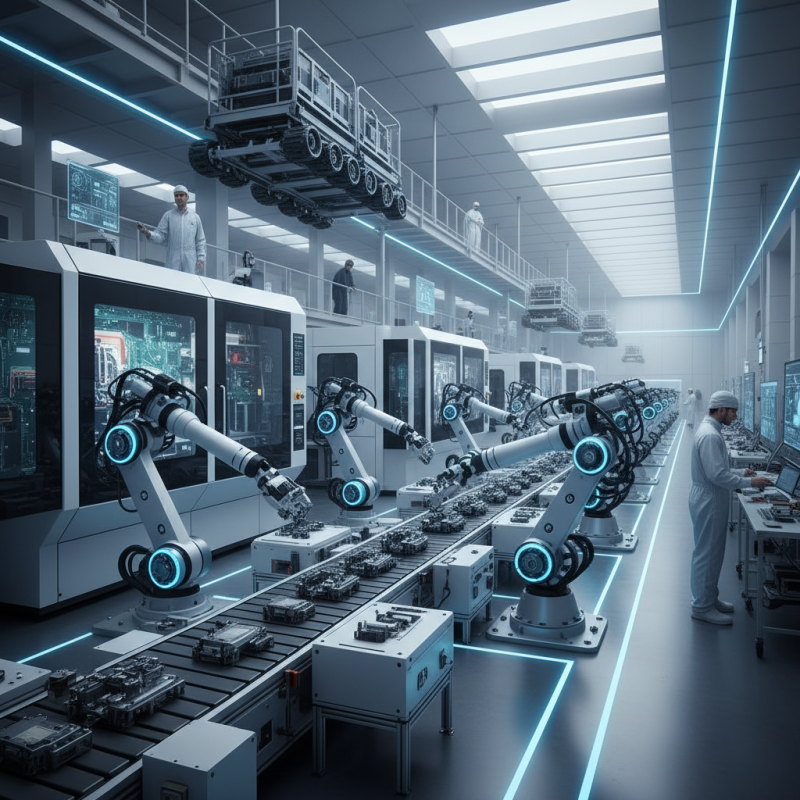
Manufacturing automation can greatly enhance production efficiency. It involves using technology to manage processes, significantly reducing manual labor. The basics include understanding machinery, software, and workflow integration. Each factory environment has unique needs. What works for one may not suit another.
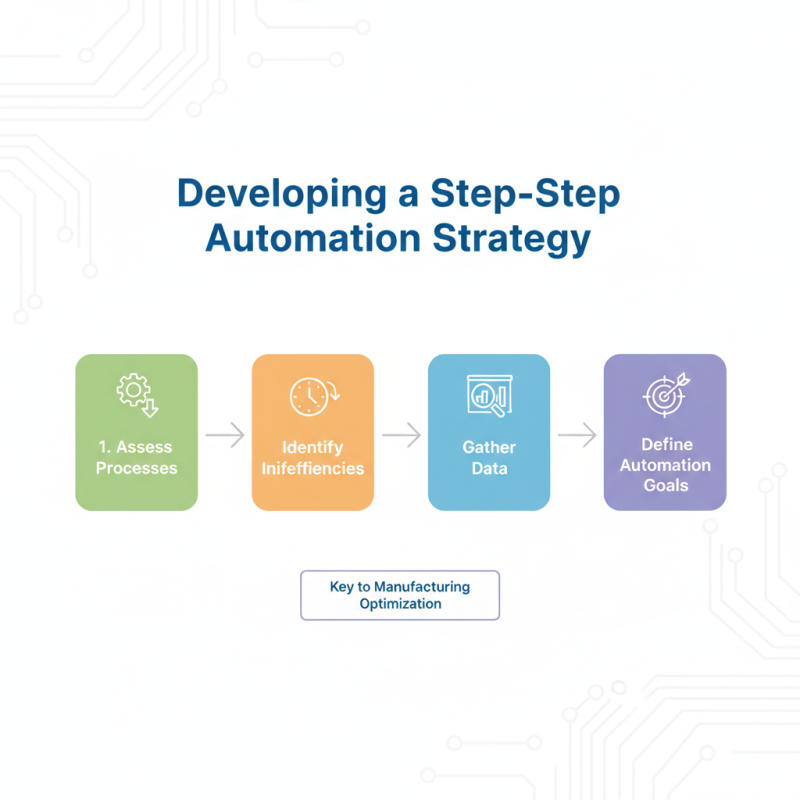
Investing in automation requires a deep dive into current operations. Assess where bottlenecks occur. This assessment can reveal opportunities for improvement. However, the shift to automation isn't always smooth. Workers may feel apprehensive about new machines. Training becomes essential. Employees must adapt to new technologies.
Data collection is a crucial element. Automated systems can gather and analyze production data. This information drives decision-making. But reliance on technology can pose risks. Systems may face glitches that halt production. It's vital to implement backup plans. Finding the right balance between human insight and machine efficiency remains a challenge.
Identifying Key Processes for Automation Implementation
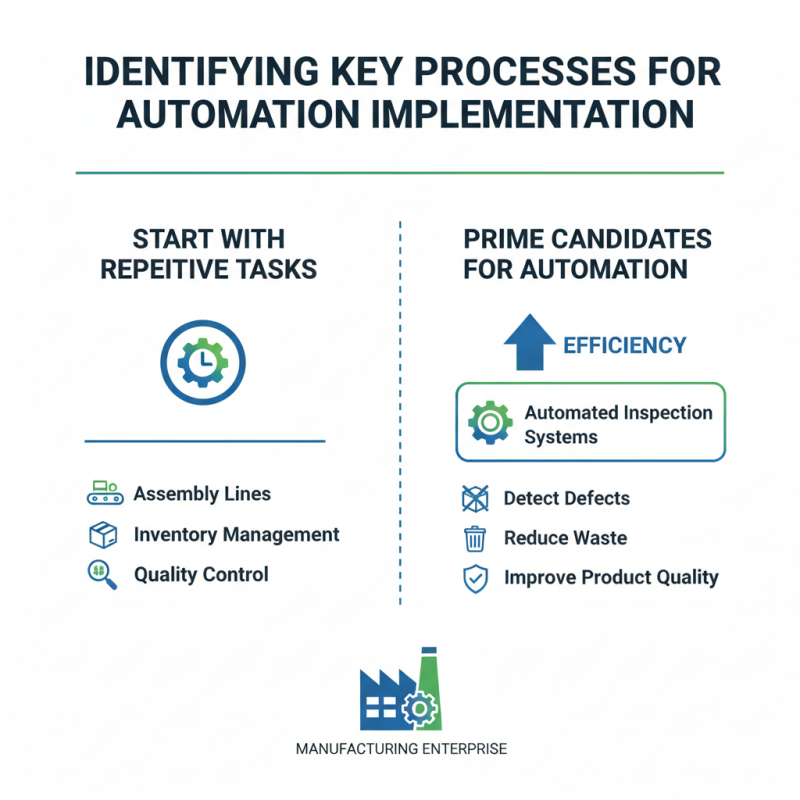
Identifying key processes for automation implementation is essential for any manufacturing enterprise aiming for efficiency. Start by evaluating repetitive tasks. Look at assembly lines, inventory management, and quality control. These areas often consume time and resources, making them prime candidates for automation. For instance, automated inspection systems can detect defects, reducing waste and improving product quality.
Also, consider the complexity of your operations. Not all processes should be automated at once. Start small, with easily automated tasks first. This approach allows room for adjustments and learning. Gathering data during these trials is crucial. Analyze the outcomes and refine your methods based on real-time feedback. It’s a process of continuous improvement that acknowledges the occasional bumps along the way. Embracing flexibility is vital in automation, as it can reveal unforeseen challenges that need addressing.
Remember that implementing automation is not just about technology. Team training plays a key role. Employees must adapt to new systems and workflows. Investing time in their development ensures a smoother transition. Address any resistance to change. Transparency throughout the process fosters trust and collaboration, making everyone a part of the journey toward automation.
Selecting the Right Technology and Tools for Automation
Selecting the right technology and tools for manufacturing automation is crucial for achieving efficient production. Start by assessing your current processes. Understand where bottlenecks occur. This analysis will help identify areas where automation can deliver the most impact.
Choosing between various automation technologies can be overwhelming. Options may include robotics, conveyor systems, or AI-driven software. Each has its pros and cons. Robotics may increase precision but require extensive training. AI tools can streamline operations but may also introduce complexity. Evaluate your team’s skill set before investing in unfamiliar technology.
Additionally, consider the scalability of your chosen tools. As production needs evolve, your automation solutions should adapt. Failure to plan for future growth can lead to costly adjustments down the road. Regular reviews of your automation strategy can help identify shortcomings. These reflections can guide necessary adjustments and improvements.
Measuring and Analyzing Automation Performance for Improvements
Measuring and analyzing automation performance is crucial for manufacturing success. Companies should focus on key performance indicators (KPIs) to evaluate their automation systems. Metrics like production speed, error rates, and downtime provide valuable insights. Monitoring these indicators reveals where inefficiencies lie. Data collection must be consistent to ensure accuracy.
Regular assessments are essential. Identify trends in automation performance over time. Look for anomalies that signal potential issues. It’s not uncommon to discover that machines underperform in specific conditions. These findings can guide adjustments in operations or equipment settings. Engaging employees in this analysis further enriches the understanding of challenges faced on the floor.
Feedback loops are vital for ongoing improvement. Collect input from operators who work with the automation systems daily. Their experiences offer practical perspectives that data alone may miss. This collaborative approach fosters a culture of continuous improvement, enhancing both performance and efficiency. However, challenges in communication may arise, leading to unrecognized problems. Addressing these gaps is key to refining processes.