Why Is Safety Lockout Important for Workplace Safety?
Why Is Safety Lockout Important for Workplace Safety?
A maintenance task can look routine: a technician opens a machine guard, reaches toward a jammed conveyor, and assumes the power is off. But a stopped machine may still hold electrical, pneumatic, hydraulic, or mechanical energy. A sudden restart—or a released spring or trapped pressure—can cause severe injury. Safety Lockout helps prevent that by isolating hazardous energy and controlling who may restore it.
David Michaels, an epidemiologist and former U.S. Assistant Secretary of Labor for Occupational Safety and Health, has long emphasized preventing workplace hazards rather than relying on workers to react after exposure. A practical paraphrase of that prevention principle is: “Control the hazard before the work begins.” This is not a verified verbatim quotation from Michaels; it captures the preventive approach behind effective lockout procedures.
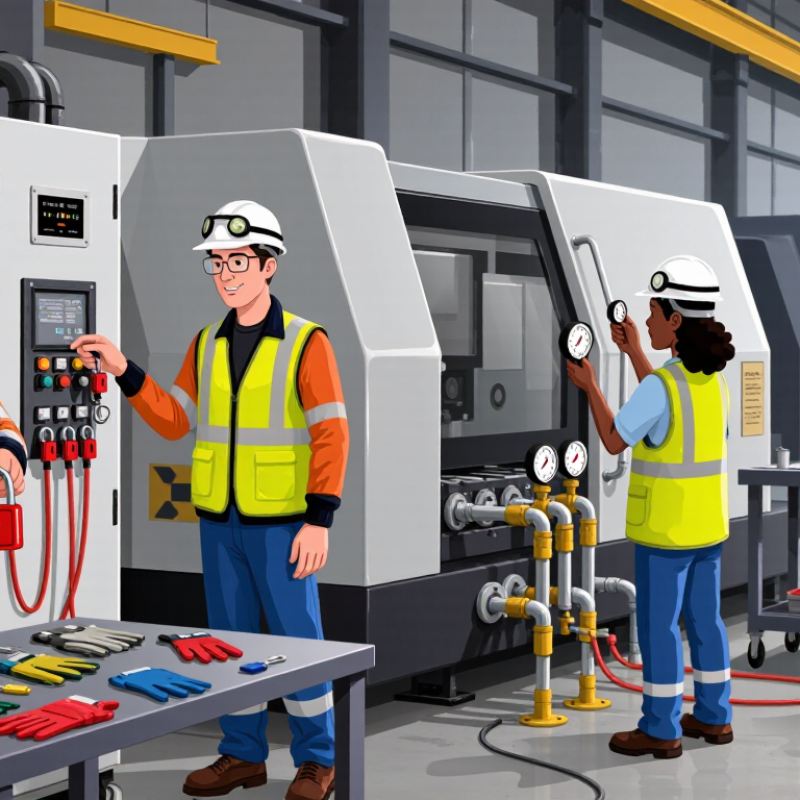
Reliable Safety Lockout depends on more than placing a padlock on a switch. Workers need to identify every energy source, follow equipment-specific steps, apply personal locks, and verify isolation before work starts. A pressure gauge should read zero. A test attempt should confirm the machine cannot operate. Small details matter.
The process can feel repetitive. It should. Clear procedures, suitable devices, training, and periodic review help make each step consistent. Yet written rules alone cannot fix unclear equipment labels or rushed handovers. Those weaknesses deserve attention. When teams treat isolation as a real pause—not a box to tick—they reduce the chance that maintenance work becomes an emergency.
What Safety Lockout Means in the Workplace
Why Is Safety Lockout Important for Workplace Safety?
What Safety Lockout Means in the Workplace
Safety lockout means isolating hazardous energy before workers service or clean equipment. An authorized worker switches off energy sources, applies a personal lock and tag, then verifies the machine cannot start. Sources may include electricity, hydraulic pressure, steam, or stored mechanical force. A silent conveyor can still hold dangerous energy. Verification matters.
The U.S. Occupational Safety and Health Administration estimates that effective lockout/tagout practices prevent about 120 deaths and 50,000 injuries each year. These figures show the stakes, but procedures only work when workers understand the equipment and follow each step. A missed valve or shared lock can leave energy active. In practice, rushed handovers are easy to underestimate.
Tips: Identify every energy source using equipment-specific procedures. Each worker should apply their own lock, release stored energy, and test the controls before work begins. Never assume a switch-off means safe. Review the procedure when equipment or tasks change, and invite workers to point out confusing steps. A checklist helps, but it cannot replace careful verification.
Why Is Safety Lockout Important for Workplace Safety?
What Safety Lockout Means in the Workplace
OSHA’s hazardous energy control standard describes a procedure for protecting workers during servicing and maintenance. The bars show the order of the six key steps—not incident statistics: prepare, shut down, isolate energy, apply lockout or tagout devices, control stored energy, and verify isolation. Following the procedure helps prevent unexpected startup or release of hazardous energy.
How Lockout/Tagout Controls Hazardous Energy
Why Is Safety Lockout Important for Workplace Safety?
Lockout/tagout controls hazardous energy before maintenance or cleaning begins. A machine may look still while stored energy remains inside. Electricity, pressure, heat, gravity, and moving parts can all cause unexpected movement. A locked switch helps prevent power from returning, while a tag identifies who applied the control and why. The process also includes shutting equipment down, isolating every energy source, and releasing or restraining stored energy. Then workers verify isolation using the site’s established procedure. That check matters. A control is only dependable when it matches the machine and the task.
Tips
Check equipment-specific instructions before work. Identify every energy source, including backup power or trapped pressure. Each authorized worker should apply their own lock, and locks should stay in place until work is complete and workers are clear. Try the normal start control to confirm isolation, then return it to the off position. Never assume a tag alone prevents operation. Keep the work area visible and communicate changes between shifts. Small details are easy to miss, especially on familiar machines. That is worth reflecting on: routine can make a risky shortcut feel harmless.
How Workers Apply and Verify Lockout Procedures
Why Is Safety Lockout Important for Workplace Safety?
How Workers Apply and Verify Lockout Procedures
A lockout procedure keeps equipment from starting while someone is servicing it. Workers identify every energy source, including electrical power, stored pressure, heat, and moving parts. They shut down the machine using the approved steps, isolate each source, and apply personal locks and clear identification tags. A tag alone is not a physical barrier. Small details matter.
Before work begins, workers release or safely restrain stored energy. They check gauges, inspect disconnects, and wait for moving components to stop. Then they try the normal start control from a safe position to verify the equipment will not operate. Controls return to off afterward. Never assume a silent machine is safe; a second feed or trapped pressure may remain.
Each worker verifies their own lock and understands how it is removed. If the work changes, or another crew takes over, the group pauses and reviews the isolation points. Procedures can look clear on paper yet feel rushed beside a loud machine. That discomfort is worth voicing. I would rather repeat a check than trust a memory that might be wrong.
How Safety Lockout Prevents Injuries and Equipment Damage
A jammed conveyor can look harmless when its belt is still. But stored electrical, hydraulic, or pneumatic energy may restart it without warning. Safety lockout isolates energy sources before maintenance begins, while a personal lock helps prevent anyone else from restoring power too soon. The worker then verifies isolation, rather than trusting a switch or indicator light. That pause matters. A moving roller, falling press, or unexpected release of pressure can cause severe injuries in seconds.
The U.S. Occupational Safety and Health Administration estimates that proper lockout/tagout practices prevent 120 fatalities and 50,000 injuries each year. These are estimates, not a guarantee for any particular workplace. OSHA’s hazardous-energy control standard also requires employers to establish procedures, train workers, and inspect those procedures periodically. In practice, the steps must match the actual machine: identify every energy source, shut it down, isolate it, apply locks, and test that it cannot operate. A missed backup circuit can defeat an otherwise careful process. That detail is easy to overlook. Equipment benefits too: controlled shutdowns and maintenance reduce the chance of damage from unexpected starts or rushed repairs. Still, paperwork alone cannot make a machine safe. Workers need time, clear instructions, and the confidence to stop when an isolation point is uncertain.