How Manufacturing Automation Can Enhance Global Sourcing?
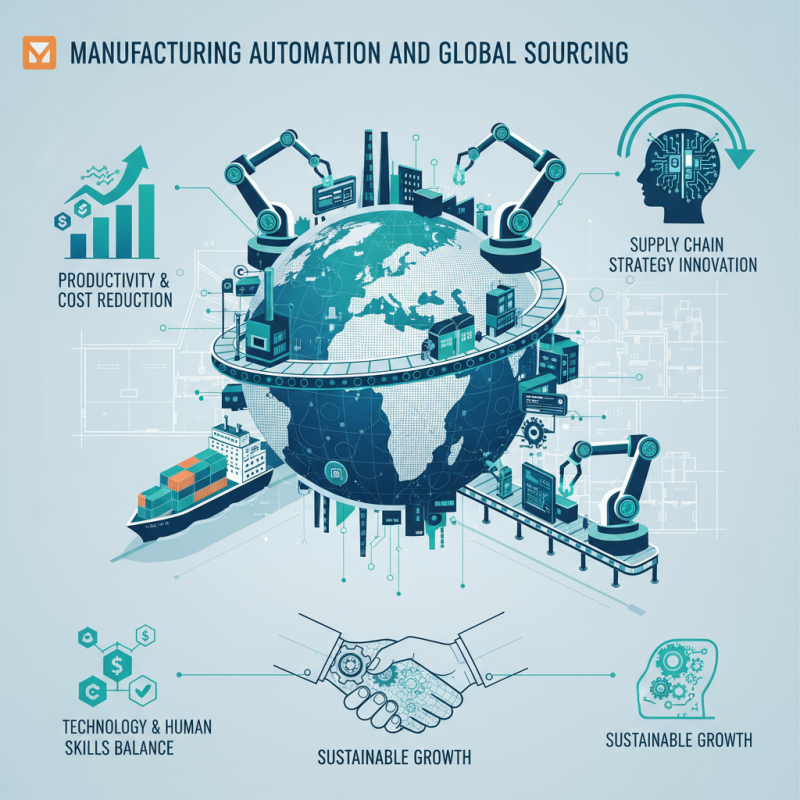
In recent years, the landscape of global sourcing has undergone significant transformation. Manufacturing automation plays a crucial role in this shift. According to a report by the International Federation of Robotics, global investments in automation technologies are projected to reach over $200 billion by 2025. These systems enhance productivity while reducing operational costs.
An expert in the manufacturing automation field, Dr. Emily Carter, emphasizes the impact of technology: “Automation not only improves efficiency but also reshapes supply chain strategies.” As businesses seek to streamline operations, they increasingly rely on automation to maintain competitiveness. However, this shift is not without challenges. Companies must navigate the complexity of integrating new technologies into their existing systems.
While automation offers numerous benefits, a critical reflection is necessary. As companies embrace these advancements, workforce implications must be addressed. The balance between technology and human skills is essential for sustainable growth in the manufacturing sector. Embracing manufacturing automation requires well-planned strategies that factor in both innovation and the workforce's needs.
Impact of Manufacturing Automation on Supply Chain Efficiency
Manufacturing automation significantly impacts supply chain efficiency. The integration of advanced technologies streamlines operations, reducing delays and errors. According to a report by McKinsey, companies that adopt manufacturing automation can boost productivity by up to 30%. Automated processes enhance data accuracy, enabling better forecasting and inventory management.
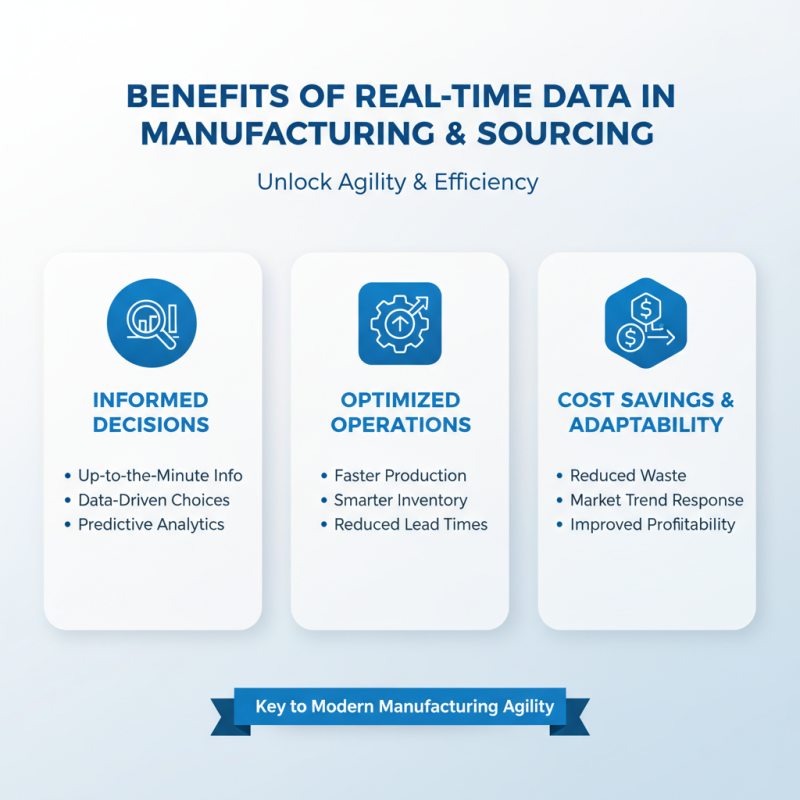
Automation also facilitates global sourcing. Businesses can leverage real-time data to identify optimal suppliers, aligning production with demand. This agility can reduce excess inventory costs by approximately 15%, as noted in a recent industry analysis. However, the reliance on technology may introduce vulnerabilities. Cybersecurity risks must be addressed to protect sensitive data.
**Tips:** Invest in robust cybersecurity measures. Regular audits can help identify vulnerabilities. Training staff on the latest technologies can improve overall efficiency. Emphasizing staff adaptability is essential in a rapidly changing environment.
Additionally, while automation enhances efficiency, companies must remain cognizant of potential job displacements. Balancing innovation with workforce development is key to sustainable growth. Most businesses need to rethink their workforce strategies to align with automated frameworks.
Impact of Manufacturing Automation on Supply Chain Efficiency
Role of Technology in Facilitating Global Sourcing Decisions
The role of technology in global sourcing decisions has grown significantly in recent years.
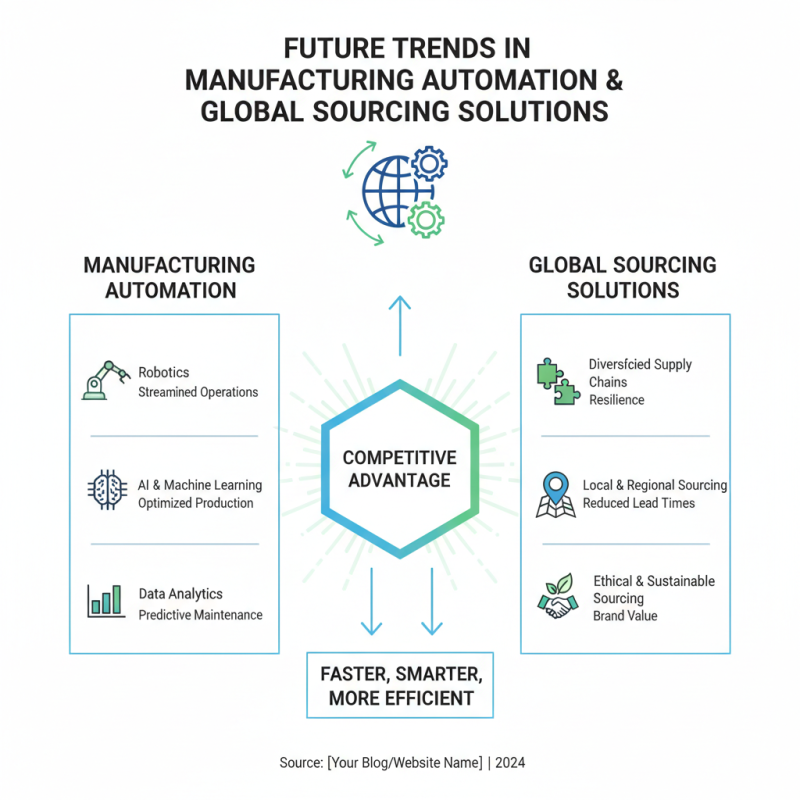
Manufacturing automation, for instance, streamlines processes and enhances productivity. By integrating advanced systems, companies can reduce lead times and manage inventories more effectively.
This transformation is not always perfect. The challenge lies in aligning technology with human resources.
Data analytics plays a vital role in evaluating sourcing options. Manufacturers can analyze market trends and supplier performance in real-time.
However, misinformation can lead to poor decisions. Therefore, companies need reliable data to guide their choices.
Collaboration platforms also help strengthen relationships with suppliers, but they require careful management to avoid communication gaps.
Artificial intelligence further enhances sourcing by predicting demand patterns. This technology can optimize supply chains, reducing costs.
Despite these advantages, businesses might struggle with implementation. Training staff to use new tools takes time and effort.
It is essential to remain adaptable to fully harness the benefits of technology in sourcing decisions.
Challenges of Integrating Automation in Global Supply Chains
Integrating automation in global supply chains is challenging yet necessary. Many companies struggle with balancing efficiency and flexibility. In manufacturing, the adoption of automation can streamline processes, but it’s not a simple fix. Logistics issues often arise, especially when coordinating between different regions. Delays in software integration can lead to prolonged downtime, affecting overall productivity.
Workforce training is another significant hurdle. Employees must learn how to work alongside advanced systems. This requires time and resources. Without proper training, automation can lead to errors, frustrating both workers and management. Moreover, the inconsistency in technology across different suppliers adds complexity. Standardizing automation across a global network is a daunting task.
Cultural differences also play a role. Different countries have varying attitudes toward automation. While some embrace it, others resist change. This creates friction in collaboration. Companies must navigate these cultural landscapes while implementing new technologies. Addressing these challenges requires a thoughtful approach and ongoing conversations among all stakeholders. Only then can the full benefits of automation be realized in global sourcing.
How Manufacturing Automation Can Enhance Global Sourcing? - Challenges of Integrating Automation in Global Supply Chains
| Dimension |
Description |
Impact Level (1-5) |
| Cost Reduction |
Automating processes can significantly reduce labor costs and waste. |
4 |
| Quality Consistency |
Automation enhances the precision of manufacturing, leading to higher product quality. |
5 |
| Supply Chain Agility |
Automated systems allow for faster response times to market changes. |
4 |
| Integration Complexity |
Integrating new automation technologies with existing systems can be challenging. |
3 |
| Data Management |
Effective data handling is crucial for leveraging automation's full potential. |
5 |