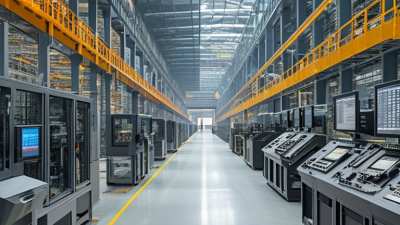
Choosing the world’s leading control systems automation suppliers requires more than comparing market share or product catalogs. Real performance appears on the factory floor, where a PLC cabinet faces heat, vibration, network delays, and demanding production targets. This introduction examines ten internationally recognized suppliers, including Siemens, ABB, Schneider Electric, Rockwell Automation, Honeywell, Emerson, Yokogawa, Mitsubishi Electric, Omron, and Bosch Rexroth.
The comparison considers industrial controllers, distributed control systems, SCADA platforms, safety technology, motion control, cybersecurity, integration support, and lifecycle service. These factors matter when an operator studies a live dashboard at 2 a.m. or maintenance staff replace a failed module during a short shutdown. Karl J. Åström, a leading control theorist, wrote, “Feedback is a central concept in control.” That principle remains practical today. Reliable automation depends on measured data, fast decisions, and disciplined responses.
However, no universal ranking exists. A supplier that excels in process industries may not suit a high-speed packaging line. Regional engineering talent, existing software, spare-parts access, and training quality can change the final decision. This list offers a useful starting point, not an unquestionable verdict. Some comparisons remain imperfect. Vendor claims also require careful verification through reference plants, technical trials, and total-cost analysis. The strongest supplier is often the one that fits the application, people, and risk profile most effectively.
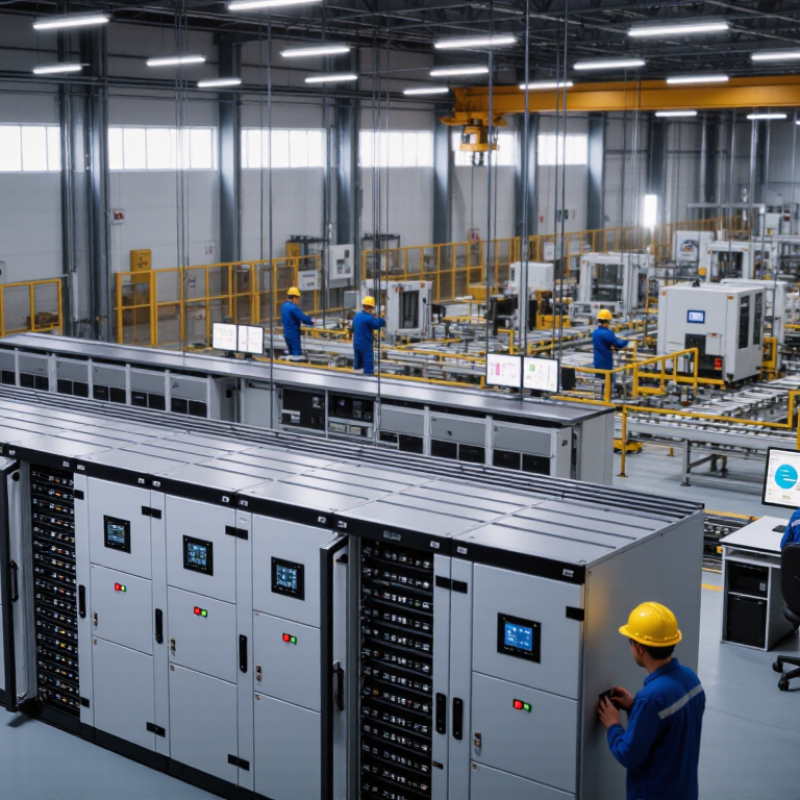
Industrial control systems are the operational nervous system of modern factories, utilities, warehouses, and process plants. They connect sensors, controllers, networks, software, and machines. These systems measure temperature, pressure, speed, flow, and equipment status. Automation suppliers design, integrate, install, and maintain these solutions for industrial users.
A capable supplier should understand both engineering and daily plant realities. Their work may include control-panel design, programmable logic configuration, human-machine interfaces, industrial networking, testing, operator training, and long-term support. Ask for clear documentation, realistic delivery schedules, cybersecurity practices, and maintenance procedures. A reliable supplier also explains system limits instead of promising perfect performance. No supplier is perfect. Even experienced teams can overlook old wiring, weak network points, or incomplete operator knowledge. A factory-floor inspection often reveals more than an impressive demonstration.
Tips: Review a supplier’s completed projects, technical qualifications, safety processes, and response times. Request a small design review before signing a major contract. Check whether technicians can support your equipment after installation. Compare lifecycle costs, not only the initial quotation. A lower price may hide training gaps, difficult upgrades, or expensive downtime. Keep questions specific: Who tests the alarms? Who owns the source code? How quickly can spare parts arrive? These details expose practical capability. Reliability grows from evidence, careful communication, and honest reflection after every project.
Ranking the top ten control systems automation suppliers requires more than counting market share. A credible assessment examines engineering depth, project delivery, and long-term field performance. We compare documented uptime, maintenance response, training quality, and system integration across process, manufacturing, and infrastructure projects. Real operating evidence matters. A polished brochure does not prove reliability.
The evaluation uses weighted criteria with clear scoring rules. Safety certification and cybersecurity receive high importance. So does compatibility with existing sensors, networks, and supervisory software. We also review lifecycle costs, spare-part access, software updates, and regional technical support. Independent test reports, audited financial information, customer references, and public compliance records strengthen the evidence. Supplier demonstrations are useful, but controlled site visits reveal more.
Not every score is equally certain. Some performance data remains confidential, while customer references can be selective. Regional labor costs may also favor one supplier unfairly. We reduce this bias by comparing similar project sizes and operating conditions. Still, the ranking should be treated as a decision aid, not an absolute verdict.
A practical review may include a small pilot, response-time checks, alarm testing, and operator interviews. We once underestimated training quality because the technical specifications looked excellent. That mistake remains worth remembering.
Who Are the Top 10 Control Systems Automation Suppliers?
The top ten control systems automation suppliers are usually global technology providers with strong engineering teams. They design platforms for manufacturing, energy, water treatment, transport, and building operations. Their services often include process control, safety systems, industrial networking, data monitoring, and lifecycle support.
A reliable supplier should offer tested hardware, clear software updates, trained engineers, and responsive field service. Experience matters when a control panel operates beside heat, dust, vibration, or chemical exposure. Technical authority also comes from documented testing, cybersecurity practices, and compliance with recognized industrial standards. Still, rankings can be imperfect. A supplier may lead in process plants but perform poorly in small factories. Price, local support, and integration skill can change the result.
Tips: Compare support coverage, not only product features. Ask for realistic maintenance response times. Review training plans and spare-part availability. Request evidence from similar facilities. Test data integration before full deployment. A polished demonstration is not enough. Your operators will use the system daily. Their feedback should influence the final decision. Beware of vague promises. A clear scope protects budgets, schedules, and plant reliability.
The global industrial automation market is expanding steadily, driven by digital transformation, process optimization, industrial IoT, robotics, and demand for safer and more efficient control systems. This market view provides neutral industry context for comparing the world's leading control systems automation suppliers without displaying company or brand-level data.
The leading ten control systems automation suppliers compete through broad, connected technology portfolios. Their core products include programmable logic controllers, distributed control systems, SCADA software, industrial computers, and remote I/O modules. Many also provide variable-frequency drives, servo systems, machine vision, robotics, and functional safety controllers. MarketsandMarkets projects the industrial automation market to grow from approximately USD 205 billion in 2024 to over USD 265 billion by 2029. That growth reflects demand for faster production and measurable energy savings.
These suppliers increasingly connect factory equipment with manufacturing execution systems, cloud platforms, and industrial Internet of Things gateways. Their cybersecurity tools monitor network traffic, manage user access, and support secure firmware updates. Artificial intelligence now assists predictive maintenance, quality inspection, and process optimization. Deloitte’s 2024 smart manufacturing research found that many manufacturers view smart technologies as essential for future competitiveness. The technology is advancing quickly.
Yet integration is rarely tidy. Legacy controllers may use incompatible protocols, while newer platforms require skilled engineers and disciplined data management. I would not treat every dashboard as intelligence. The International Energy Agency reports that industry accounted for roughly 37% of global final energy consumption in 2022, making efficient control valuable. Suppliers therefore compete on interoperability, safety certification, lifecycle support, and practical engineering experience—not only software features. A well-tuned control loop can matter more than an impressive digital interface.
| Rank | Anonymized Supplier | Primary Control Platforms | Key Products Offered | Important Technologies | Safety and Cybersecurity Capabilities | Typical Industries Served | Common Connectivity Standards |
|---|---|---|---|---|---|---|---|
| 1 | Supplier 01 | Distributed control systems, programmable automation controllers, process historians | DCS controllers, PLCs, remote I/O, operator stations, engineering software, batch-management tools | Advanced process control, model predictive control, edge analytics, alarm management, digital twins | Safety instrumented systems, safety PLCs, IEC 61508 lifecycle support, network segmentation, secure remote access | Oil and gas, chemicals, power generation, water treatment, mining, pharmaceuticals | OPC UA, MQTT, Modbus TCP, EtherNet/IP, PROFINET, HART |
| 2 | Supplier 02 | Factory automation platforms, PLC-based machine control, SCADA systems | PLCs, HMIs, servo systems, variable-frequency drives, motion controllers, industrial PCs | High-speed motion, robotics integration, machine vision, predictive maintenance, digital manufacturing | Safety controllers, emergency-stop systems, secure controller access, role-based user management | Automotive, electronics, packaging, food and beverage, logistics, discrete manufacturing | PROFINET, EtherNet/IP, EtherCAT, OPC UA, Modbus TCP, IO-Link |
| 3 | Supplier 03 | Process automation suites, asset-management platforms, remote operations | Process controllers, transmitters, control valves, analyzers, historian software, maintenance platforms | Asset performance management, condition monitoring, process optimization, cloud-connected analytics | SIS integration, IEC 62443 security practices, patch management, intrusion monitoring, secure architectures | Refining, petrochemicals, pulp and paper, metals, cement, utilities | FOUNDATION Fieldbus, HART, OPC UA, Modbus, Ethernet-based industrial protocols |
| 4 | Supplier 04 | PLC, PAC, motion-control, and industrial visualization platforms | Modular PLCs, PACs, HMIs, industrial routers, drives, remote I/O, engineering environments | Modular automation, edge computing, energy monitoring, digital commissioning, open software interfaces | Functional-safety controllers, safe motion, encrypted communications, access control, audit logging | Machine building, material handling, water, HVAC, infrastructure, renewable energy | Modbus TCP, OPC UA, EtherNet/IP, CANopen, PROFINET, MQTT |
| 5 | Supplier 05 | Industrial robotics, assembly automation, and production-line control | Articulated robots, collaborative robots, robot controllers, servo drives, vision systems, grippers | Collaborative automation, machine vision, force sensing, autonomous material handling, robot simulation | Robot safety functions, safety-rated monitored stop, protective scanners, risk-assessment support | Automotive, consumer goods, electronics, warehousing, metal fabrication, medical devices | EtherNet/IP, PROFINET, EtherCAT, OPC UA, TCP/IP, safety fieldbus protocols |
| 6 | Supplier 06 | Electrical control, drive systems, building automation, and energy management | Variable-speed drives, motor starters, PLCs, switchgear interfaces, power meters, building controllers | Energy optimization, regenerative drives, power-quality monitoring, condition-based maintenance | Safe torque off, arc-flash monitoring interfaces, secure device configuration, network access policies | Commercial buildings, manufacturing, water infrastructure, data centers, transportation, utilities | BACnet, Modbus RTU/TCP, OPC UA, PROFINET, EtherNet/IP, IEC 61850 interfaces |
| 7 | Supplier 07 | SCADA, telemetry, remote terminal unit, and infrastructure-control platforms | RTUs, SCADA servers, telemetry gateways, remote I/O, operator workstations, alarm systems | Wide-area monitoring, redundant communications, geospatial visualization, edge data processing | Redundant architectures, secure remote access, user authentication, event logging, network zoning | Water and wastewater, pipelines, electric grids, railways, oil terminals, public infrastructure | DNP3, IEC 60870-5-104, Modbus, OPC UA, MQTT, IEC 61850 |
| 8 | Supplier 08 | Manufacturing execution, batch control, and production-information systems | MES software, batch-management systems, quality modules, electronic records, production dashboards | ISA-95 integration, electronic batch records, traceability, real-time OEE, data contextualization | Role-based access, audit trails, data integrity controls, validated environments, secure system integration | Pharmaceuticals, food and beverage, chemicals, biotechnology, consumer products | OPC UA, MQTT, REST APIs, SQL, ISA-95 models, industrial Ethernet |
| 9 | Supplier 09 | Industrial networking, edge computing, and automation infrastructure | Industrial switches, gateways, edge computers, time-sensitive networking devices, network-management software | Time-sensitive networking, edge analytics, network redundancy, wireless industrial communications | IEC 62443-aligned components, firewall functions, secure boot, certificate management, traffic monitoring | All major process and discrete industries, logistics, energy, transportation, smart infrastructure | PROFINET, EtherNet/IP, TSN, OPC UA, Modbus TCP, IEEE industrial Ethernet standards |
| 10 | Supplier 10 | Integrated automation, instrumentation, and industrial digitalization | PLCs, DCS components, sensors, analyzers, HMIs, industrial software, service and lifecycle support | Industrial Internet of Things, cloud integration, predictive analytics, remote asset services, digital twins | Safety lifecycle engineering, cybersecurity assessments, secure-by-design products, backup and recovery controls | Renewable energy, utilities, mining, process manufacturing, discrete manufacturing, infrastructure | OPC UA, MQTT, Modbus, HART, PROFINET, EtherNet/IP, RESTful APIs |
Top 10 Control Systems Automation Suppliers Worldwide?
How Do Industries Choose the Right Automation Supplier?
Choosing an automation supplier requires more than comparing product prices. Industrial teams should examine proven experience, engineering depth, and long-term support. A supplier may offer advanced controllers, sensors, and software, yet still fail during commissioning. Ask for documented results from facilities with similar processes, production speeds, and safety requirements. Site visits can reveal details that brochures often hide.
Technical compatibility matters. The supplier should understand existing networks, field devices, cybersecurity controls, and maintenance routines. Request clear testing procedures, training plans, spare-parts availability, and response times. A strong partner explains limitations honestly. That matters. Vague promises deserve careful questioning. Total cost should include integration, downtime, upgrades, and staff training, not only the initial quotation.
Tips: Build a weighted evaluation sheet before contacting suppliers. Score technical capability, service coverage, lifecycle cost, safety performance, and communication quality. Interview the engineers who will actually deliver the project. Check references independently, and ask what went wrong during previous installations. No supplier is perfect, and our own requirements may also be incomplete. Leave room for pilot testing, because real operating conditions often expose assumptions made during planning.